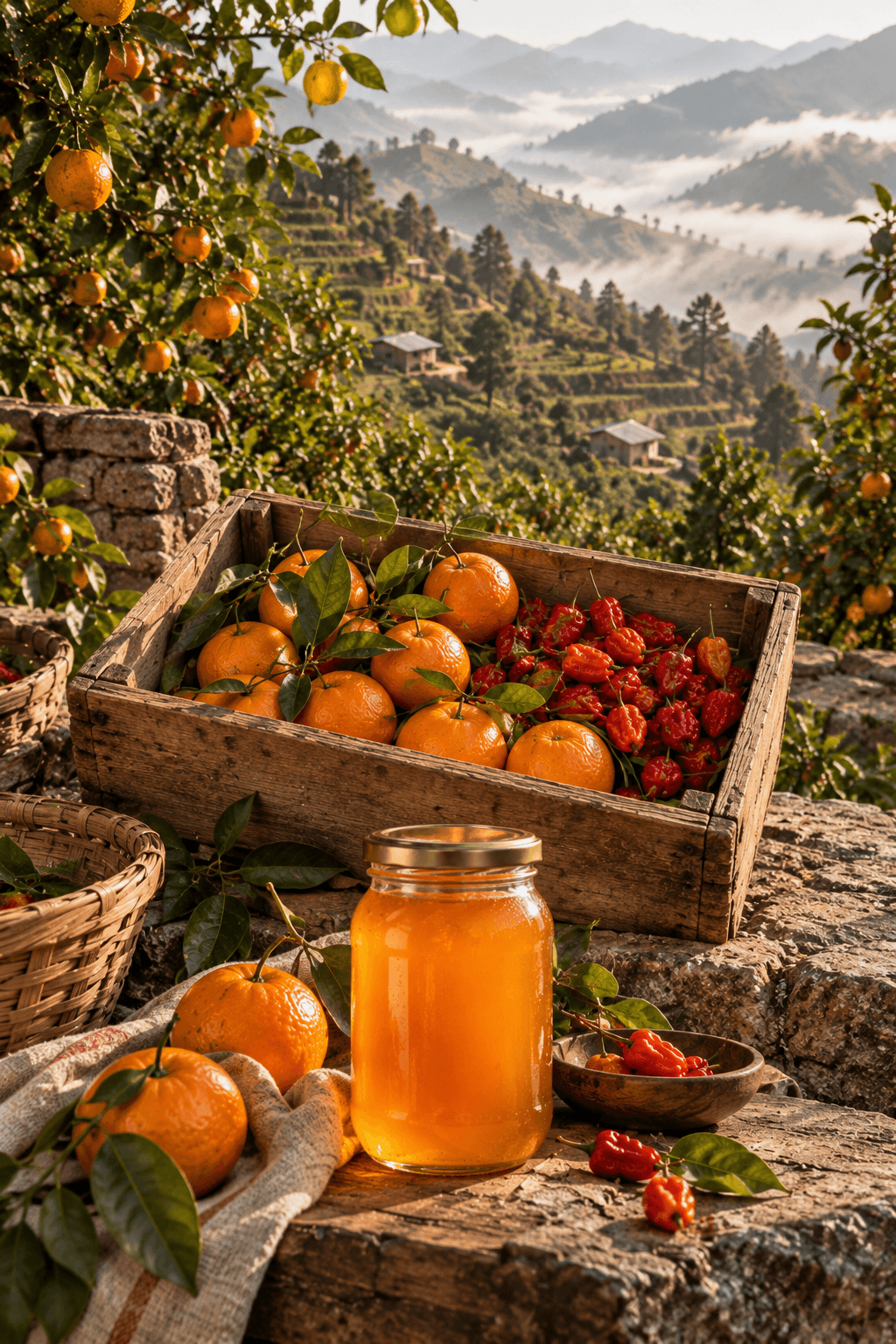
Dalle Khursani is a distinctive Himalayan chilli associated with Sikkim, known for its intense heat and characteristic flavour. Its Nepali name, Akabare Khursani, is commonly translated as “king of chillies.” It is also a GI-tagged ingredient, with the Geographical Indication granted in 2020.
But Dalle Khursani is more than a measure of heat.
For Sikkim, it represents a particular connection between mountain agriculture, local food traditions and the farmers who grow it. For Sikkim Supreme, it has become one of the defining ingredients in a growing range of pickles, sauces, pastes and other products.
Think of it as the chilli equivalent of a mountain signature: unmistakably local, immediately recognisable and difficult to separate from the place it comes from.
Why Is Dalle Khursani Called the “King of Chillies”?
The name tells part of the story.
Khursani means chilli in Nepali, while Akabare Khursani is translated in the brand’s source material as “king of chillies.”
The title makes sense when you encounter its heat.
Dalle Khursani is rated at approximately 100,000–350,000 Scoville Heat Units. The Scoville scale measures the pungency of chilli peppers, giving us a way to compare how much heat different varieties can deliver.
That puts Dalle Khursani firmly in serious-chilli territory.
But heat alone does not explain its appeal. The ingredient has become valued not simply because it is hot, but because it gives Sikkimese food and preserved products a character that is difficult to replicate with an ordinary chilli.
Dalle Khursani is not simply about how much heat a chilli can deliver. It is about how strongly a place can express itself through one ingredient.
How Hot Is Dalle Khursani?
At 100,000–350,000 SHU, Dalle Khursani can deliver substantial heat.
For context, the Scoville scale is essentially a heat ladder. Different chillies sit at different points on it, from relatively mild varieties to peppers that can produce an intense burning sensation.
Dalle Khursani belongs much higher on that ladder than the everyday green chillies many people encounter in Indian cooking.
That is why a little can go a long way.
If you’re trying Dalle Khursani for the first time, think of it less like adding another vegetable to a dish and more like adding a concentrated flavour accent. Start small, taste, and build from there.
Dalle Khursani at a Glance
| Characteristic | Dalle Khursani |
|---|---|
| Common association | Sikkim / Himalayan region |
| Nepali name | Akabare Khursani |
| Meaning | “King of chillies” |
| Heat level | Approximately 100,000–350,000 SHU |
| GI status | GI-tagged in 2020 |
| Culinary identity | Distinctive, intensely hot Himalayan chilli |
What Makes Dalle Khursani Special?
1. It carries a strong sense of place
Ingredients can tell you where you are.
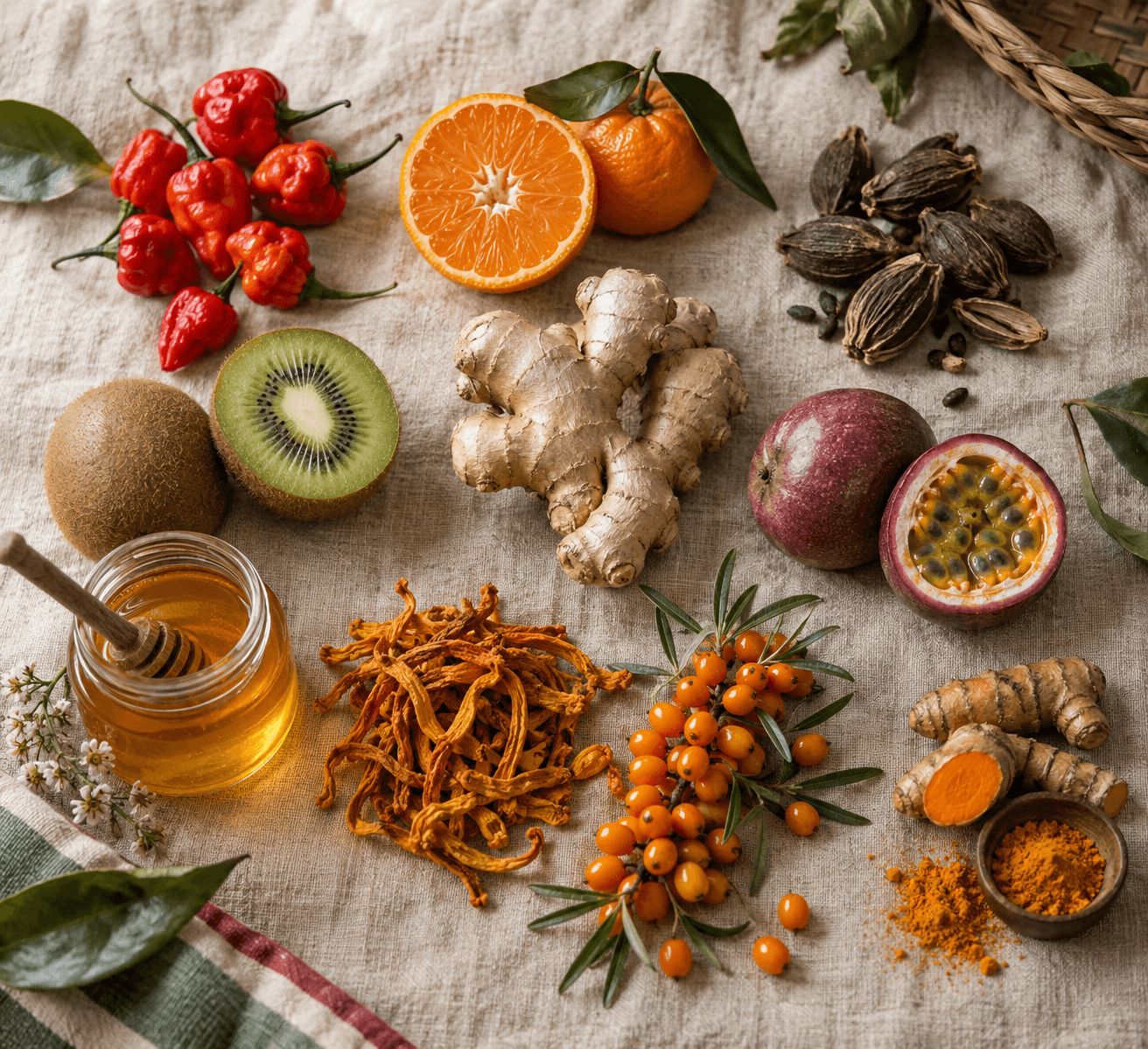
Cardamom can evoke the hills. Oranges can bring Sikkim’s orchards to mind. Dalle Khursani does the same through heat, aroma and culinary tradition.
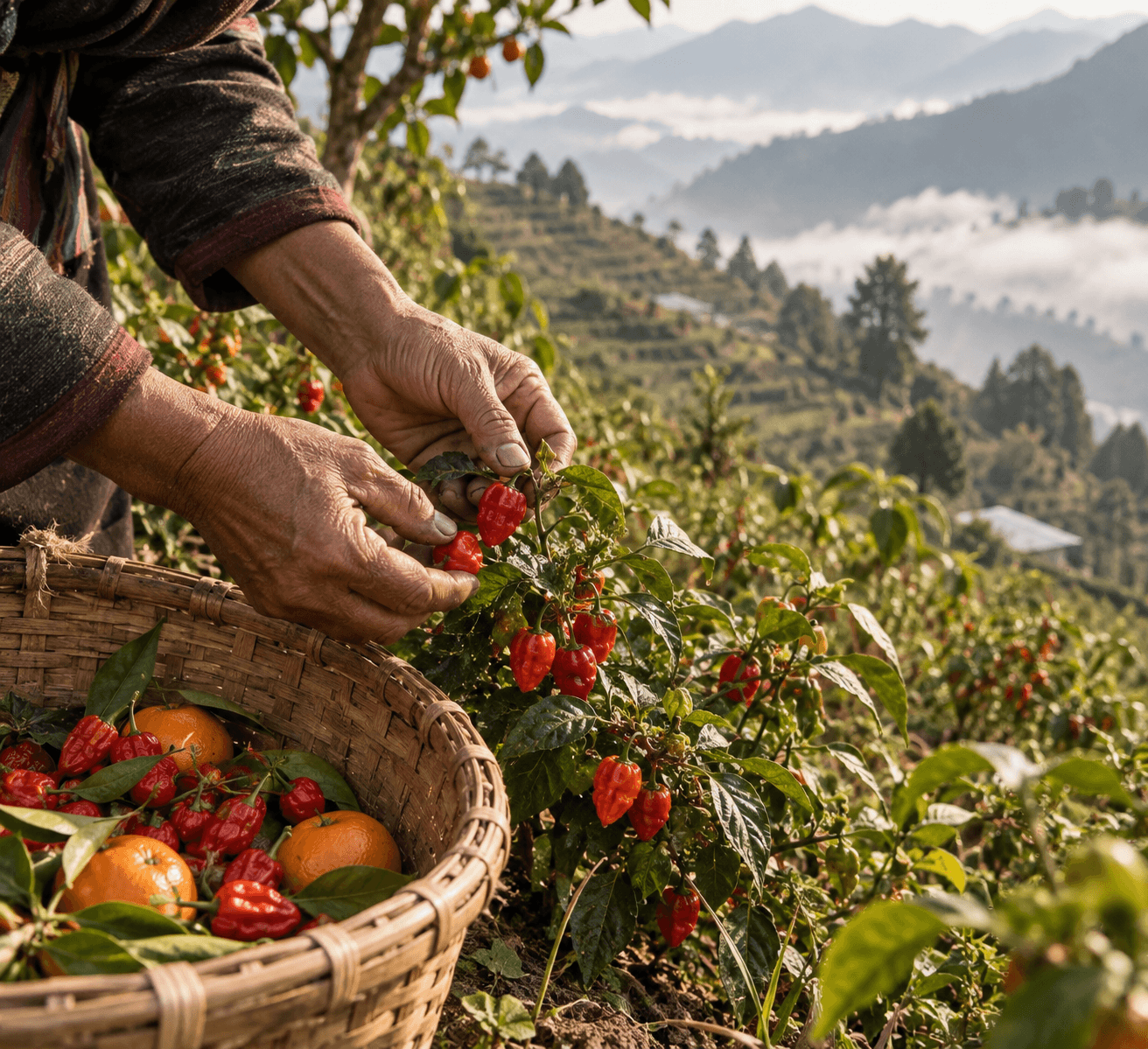
The brand’s own imagery direction centres on real Himalayan farms, terraced landscapes and close-up ingredient photography — a reminder that Dalle Khursani should be presented as an agricultural ingredient with a real place behind it, not simply as a generic “hot chilli.”
2. It is GI-tagged
A Geographical Indication (GI) identifies products whose qualities, reputation or characteristics are connected to a particular geographical origin.
Dalle Khursani received its GI tag in 2020, with the application filed by NERAMAC. The brand documentation describes it as the third GI tag for the wider Sikkim–Darjeeling–North Bengal region.
That matters because provenance is part of the ingredient’s identity.
A chilli called Dalle Khursani should not simply mean “a chilli that tastes hot.” Its name carries geographical and cultural meaning.
3. It has become central to a modern Himalayan pantry
Dalle Khursani is no longer limited to one traditional preparation.
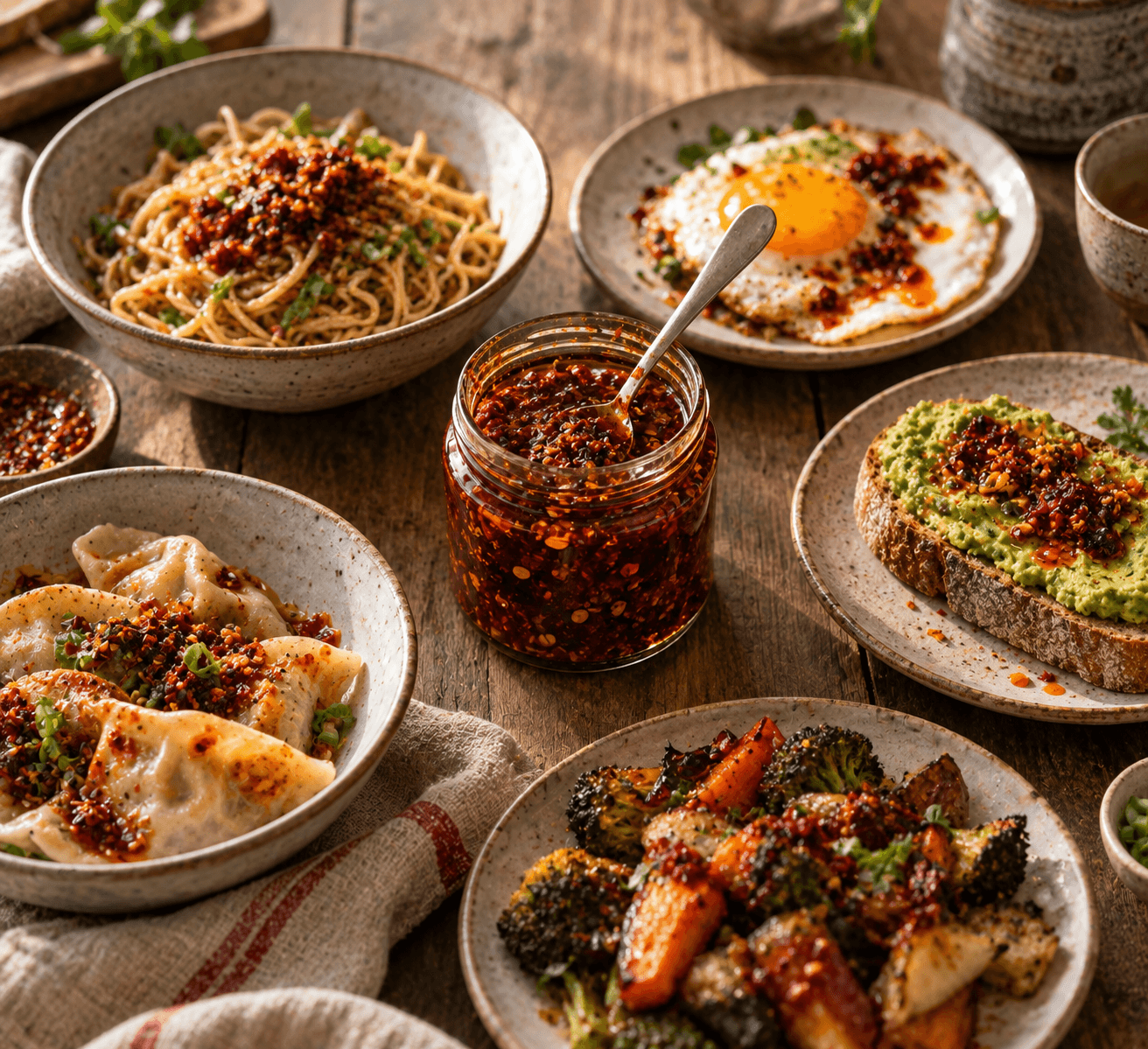
The Sikkim Supreme range includes numerous Dalle-based products, including Dalle Pickle, Dalle Hot Sauce, Dalle Chilli Crisp, Dalle Schezwan, Dalle Soya Crisp, Dalle Vinegar, Pure Dalle Paste and other variations.
This is where an old ingredient meets a modern pantry.
The chilli can move from a local meal to a sandwich, from rice to noodles, or from a traditional accompaniment to a contemporary condiment — while retaining its unmistakable Himalayan identity.
From Himalayan Farms to the Pantry
Dalle Khursani’s story also connects to a larger story about Sikkim’s agriculture.
Sikkim began phasing out chemical fertilisers and pesticides in 2003 and completed its transition to a fully organic state in 2016. The brand context notes that the farms and orchards supplying Sikkim Supreme existed within this wider agricultural transition.
In 2018, Sikkim’s organic policy received the Future Policy Gold Award, with the policy credited with benefiting more than 66,000 growers.
That context gives Dalle Khursani a bigger story.
It is not only an ingredient in a jar. It belongs to an agricultural landscape where farming, provenance and preservation are closely connected.
Dalle Khursani and Sikkim Supreme
Dalle Khursani fits naturally into the history of Sikkim Supreme.
The Government Fruit Preservation Factory was established in 1956 in Singtam, East Sikkim, originally to preserve Sikkim’s abundant orange harvest. Its first product was orange squash.
Over the decades, that preservation model expanded beyond oranges.
The brand now has a broad Himalayan food portfolio, with pickles forming its largest product category. Dalle Khursani sits at the centre of that category, with a wide range of products built around the chilli.
In that sense, Dalle Khursani represents something important about Sikkim Supreme:
The ingredient may change, but the purpose remains the same — preserve what Sikkim grows and help its flavours travel beyond the mountains.
5 Easy Ways to Experience Dalle Khursani
You do not need to build an elaborate recipe around Dalle Khursani.
Its strength is its ability to transform familiar food.
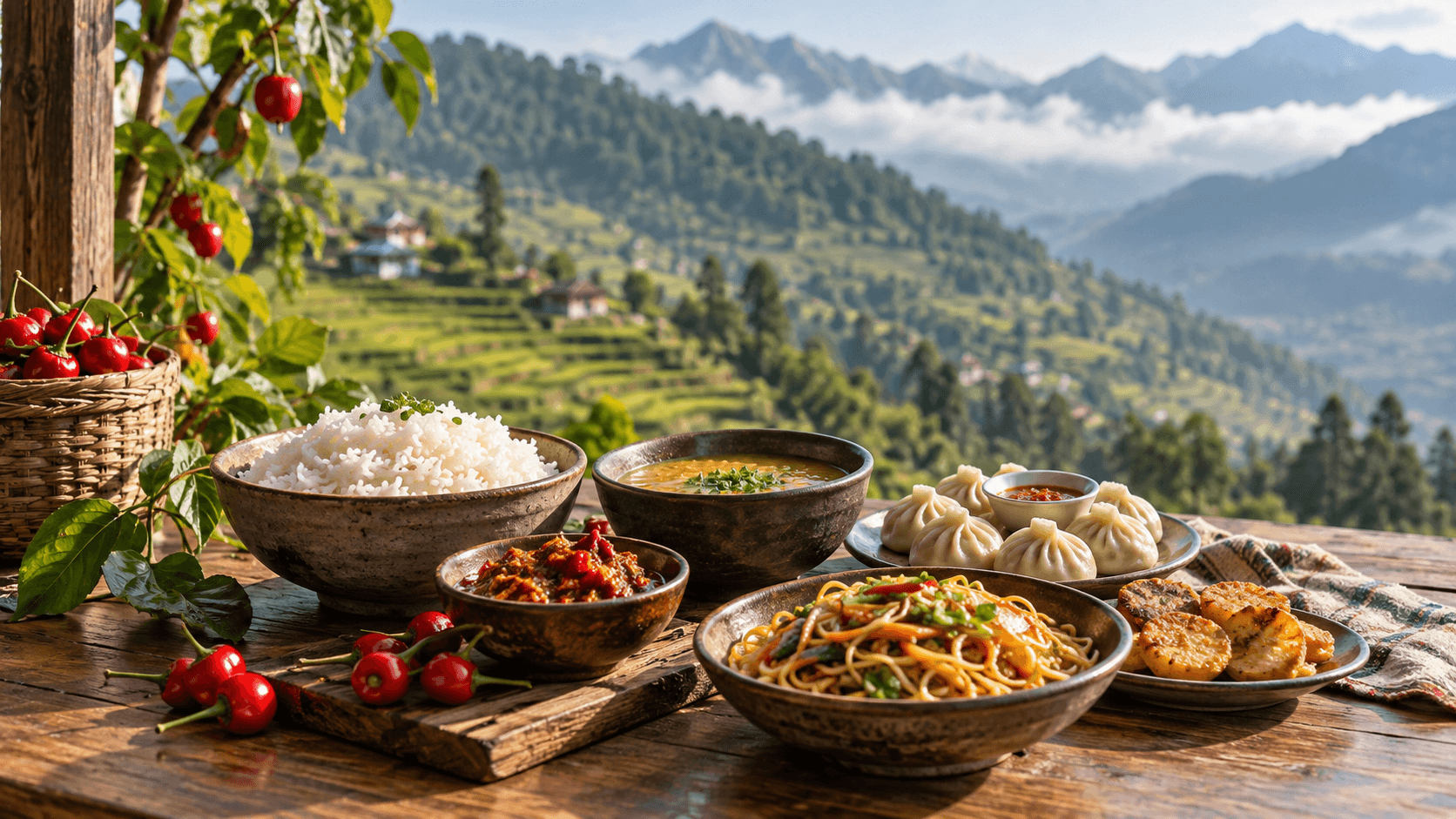
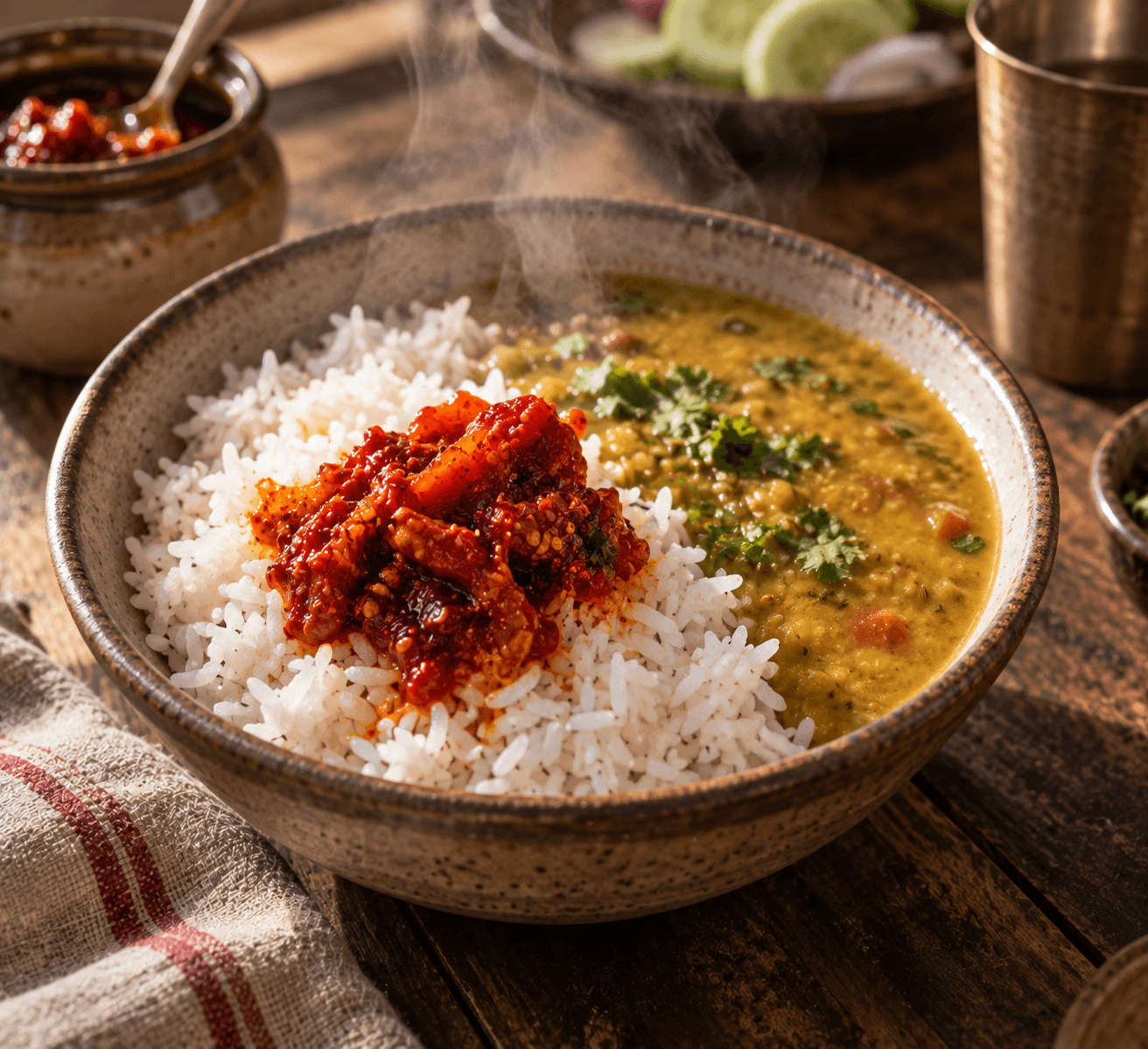
1. With Dal and Rice
A small spoonful of Dalle Khursani pickle can bring heat and character to a simple dal-rice meal.
2. With Momos
Use a Dalle-based pickle or sauce as a fiery accompaniment to steamed or fried momos.
3. In Noodles
Add a little Dalle Chilli Crisp to noodles for extra heat and texture.
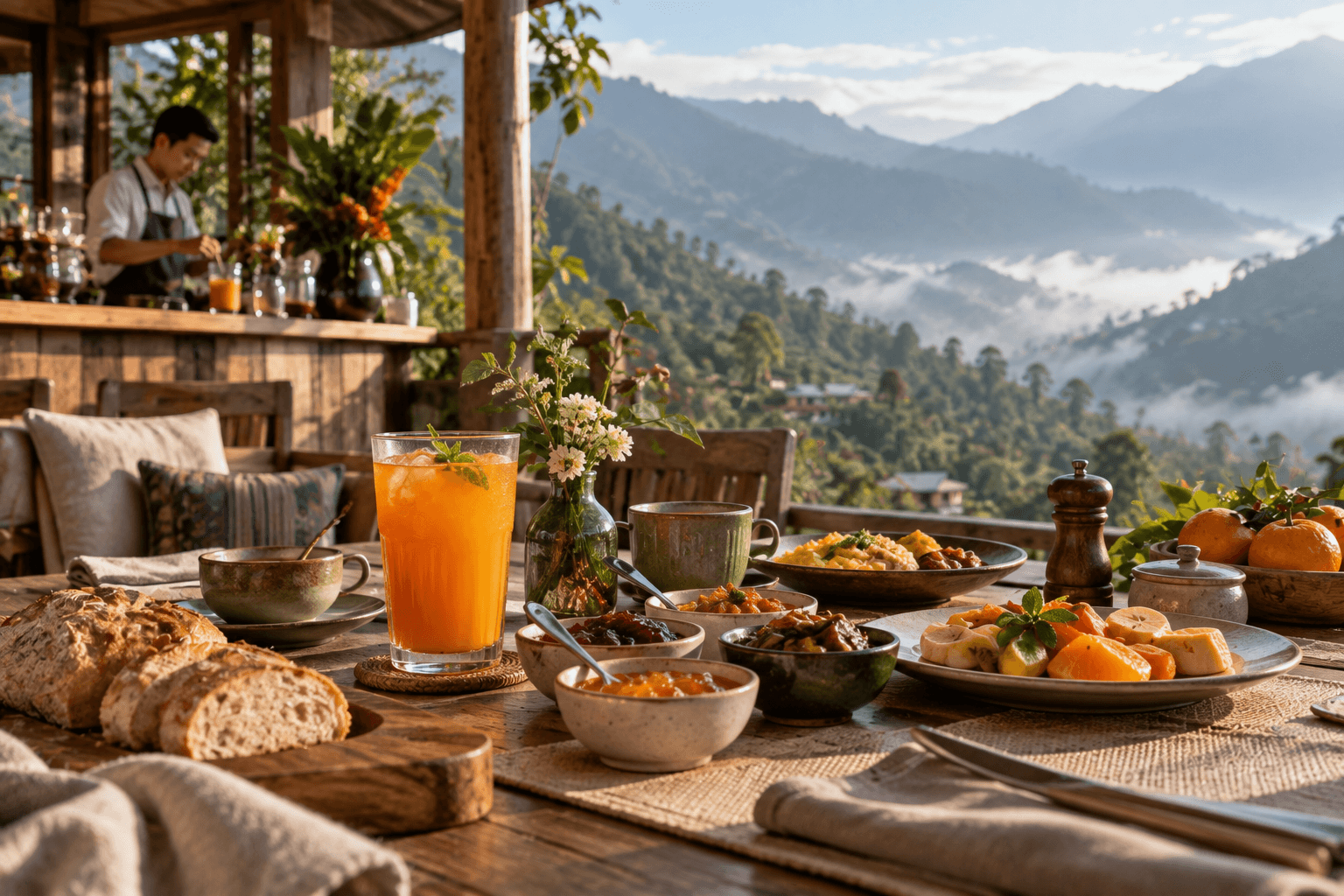
4. With Eggs
A small amount of chilli pickle or crisp can turn ordinary scrambled eggs or an omelette into a more exciting breakfast.
5. Alongside Everyday Snacks
Pair Dalle pickle with pakoras, sandwiches, roasted vegetables or other savoury snacks.
The principle is simple: start with a little, taste, and adjust.
More Than Heat: Why Dalle Khursani Matters
It is easy to reduce a chilli to a number.
100,000 SHU. 200,000 SHU. 350,000 SHU.
But numbers tell only one part of the story.
Dalle Khursani matters because it connects ingredient, geography and people. Its GI status protects the identity attached to its geographical origin, while its presence in Sikkim’s food culture gives it meaning beyond the Scoville scale.
And its place within Sikkim Supreme’s range shows how preservation can keep a local ingredient relevant in modern kitchens.
A jar of Dalle Khursani pickle can travel far from the hills.
The story behind it should travel with it.
How to Enjoy Dalle Khursani
If you’re new to the king of chillies, keep these simple tips in mind:
- Start small: Dalle Khursani can be seriously hot.
- Pair with familiar foods: Rice, dal, eggs, noodles and snacks are easy starting points.
- Balance the heat: Mild, creamy or starchy foods can make the experience more approachable.
- Use it as a condiment: You don’t need a large quantity to change a dish.
- Taste the ingredient, not just the heat: Give yourself time to notice its distinctive character.
Meet the King of Chillies
Dalle Khursani has earned its reputation the old-fashioned way: through the strength of the ingredient itself.
It is hot. It is distinctive. It carries a GI tag. And it has become an important part of the modern story of Sikkim’s Himalayan pantry.
For Sikkim Supreme, it represents more than another product line. It is one of the clearest expressions of the brand’s larger purpose — taking authentic ingredients from Sikkim and preserving their character so they can be enjoyed far beyond the mountains.
Meet the King of Chillies. Then taste Sikkim for yourself.
Frequently Asked Questions
What is Dalle Khursani?
Dalle Khursani is a distinctive chilli associated with Sikkim and the Himalayan region. It is known for its intense heat and is commonly referred to through the Nepali name Akabare Khursani, translated as “king of chillies.” It received a Geographical Indication (GI) tag in 2020.
How hot is Dalle Khursani?
Dalle Khursani is rated at approximately 100,000–350,000 Scoville Heat Units (SHU). That makes it a very hot chilli and considerably hotter than many everyday chilli varieties. Because heat can be intense, first-time users should begin with a small quantity and adjust according to taste.
Why is Dalle Khursani called the King of Chillies?
Dalle Khursani is commonly associated with the Nepali name Akabare Khursani, which is translated as “king of chillies.” The name reflects the chilli’s distinctive identity and reputation for intense heat. It has become one of the signature ingredients associated with Sikkim’s food culture and Himalayan pantry.
Does Dalle Khursani have a GI tag?
Yes. Dalle Khursani received a Geographical Indication (GI) tag in 2020. The GI designation connects the ingredient’s identity to its recognised geographical origin and helps protect its name and provenance. The specific GI authorisation number should be independently verified before being published on the website.
What can you eat Dalle Khursani with?
Dalle Khursani can be enjoyed as a condiment alongside everyday foods such as rice, dal, momos, eggs, noodles and snacks. Products in the Sikkim Supreme range also make it possible to experience the chilli through pickles, chilli crisp, hot sauce, paste, vinegar and other preparations.